
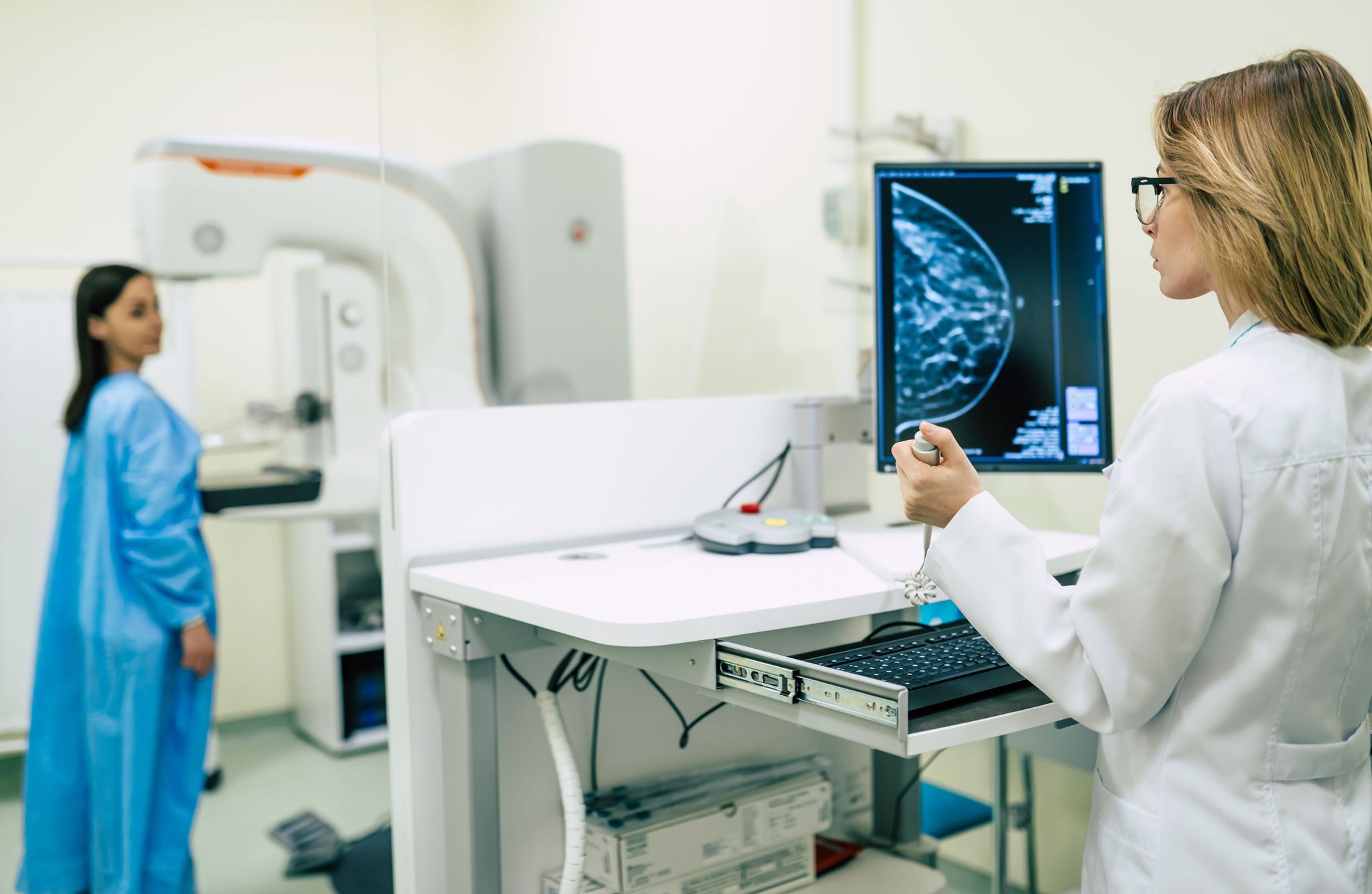
The Swiss Medical Board conducted a comprehensive review of all available evidence, culminating in a report released in February 2014. Their findings challenge the widely held belief that mammograms are both safe and effective at saving lives. According to their assessment, mammography may prevent only one death per 1000 women screened, while potentially causing harm to many others.The Board suggests evaluating mammography quality and ensuring women receive balanced information about its benefits and risks.
Modest benefits of mammography
Based on a critical examination of various factors, including outdated statistics from clinical trials spanning over five decades, the Board advises against the continuation of systematic mammograms. They point out that the benefits observed in these trials occurred during an earlier era of breast cancer treatment, and with advancements in treatment over the past two decades, the modest benefits of mammography screening may no longer hold true.
The most recent study published in the British Medical Journal, which followed 90,000 women over 25 years, found that mammograms had no discernible impact on breast cancer mortality. Additionally, the study revealed that 22% of detected cancers were over-diagnosed, leading to unnecessary and potentially harmful treatments. The Board also notes a significant discrepancy between women’s perceptions of mammography benefits and the actual reality, with only one breast cancer death per 10,000 women screened being averted, contrary to the perceived notion of 80 deaths prevented per 1000 screenings.
Exposure to ionizing radiation from repeated mammography examinations has been linked to an increased risk of breast cancer. Though the incidence and mortality of radiation-induced breast cancer from recommended screenings are low compared to the benefits, prior risk estimates only considered screening exposure with 4 views on average.
The importance for evaluations of screening programs
Screening evaluations must consider diagnostic follow-up, like biopsies, which are common in the US. Subgroups, like obese or dense-breasted women, may undergo more evaluations, raising their radiation risk.
Considering variation in radiation dose from a single examination is crucial when assessing the risk of radiation-induced breast cancer. Views and doses vary widely, leading some women to receive doses above the average. For example, in the DMIST study, while the average dose was 1.86 mGy, individual doses ranged from 0.15 to 13.4 mGy.Additionally, a significant proportion of digital screening examinations used more than 4 views.
Radiation dose correlates with compressed breast thickness, so women with larger breasts may need more than 4 views for a thorough examination. Women with breast augmentation also receive implant-displacement views in addition to standard screening views, effectively doubling their radiation dose. Repeated views may be necessary due to factors such as movement artifacts or improper breast
The pervasive overestimation of the benefits
The Board is concerned about women’s ability to make informed decisions on mammography screenings due to the widespread overestimation of benefits. They criticize the Pink Ribbon Industry for promoting the belief that skipping annual mammograms is risky, despite evidence suggesting otherwise.
In light of the evidence of harm and the lack of significant benefit, the Swiss Medical Board recommends the discontinuation of mammography as a mass screening program. This decision reflects their commitment to making objective evaluations free from political and industry influence. They call on other countries and policymakers to consider alternative screening options like ultrasound, MRI, and breast thermography. Ultimately, they stress prioritizing breast cancer prevention over solely relying on mammography for early detection.
Rescue X-Ray is dedicated to assist and optimize cellular repair after ionizing radiation exposure. For more information about our supplement kit visit our Scan protection kit page.